Income Planning for Your Golden Years
Note: this is a somewhat interactive article. There are many places you can click to expand sections, select horizontal tabs and zoom-in on images. At the end are footnotes and disclosures.1
Two Retirement Problems
The Fundamental Retirement Question
Will I outlive my money, or will my money outlive me?
(This is Retirement Risk #1: Longevity)
The Fundamental Retirement Challenge
To keep my retirement income growing as my cost of living continues to increase.
(This is Retirement Risk #2: Inflation)
Risk #1: Longevity
10,000 Thousand People Retire Every Day.

“10,000 baby boomers will retire daily, and their instincts tell them to do the wrong things.”
―Nick Murray, The Advisor to Advisors, bestselling author, lecturer and trainer.
62 is the Average Retirement Age.
On Average at Least One Spouse Will Attain Age 92.
“Over half of Americans born today may live to 100."
―Christensen, K, Doblhammer. Ageing populations: The challenges ahead (2009).
Thus, the Average Couple Needs 30 years of Rising Income.
Risk #2: Inflation
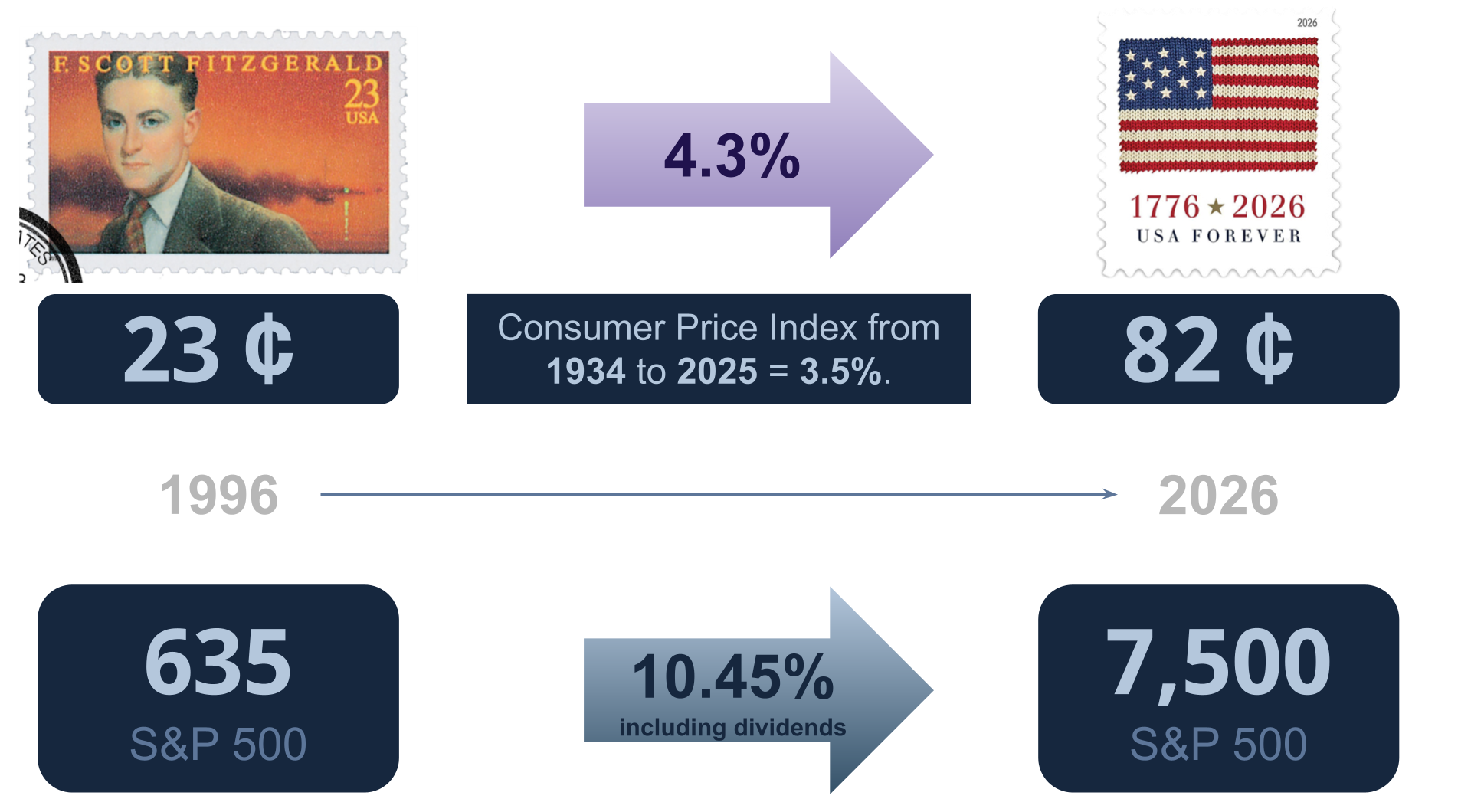
The 2nd retirement risk is inflation which is the erosion of purchasing power. It is often called "The Silent Killer".
Quote
“What is the greatest danger to your investments? Inflation.” —Paul Cabot
Sources2
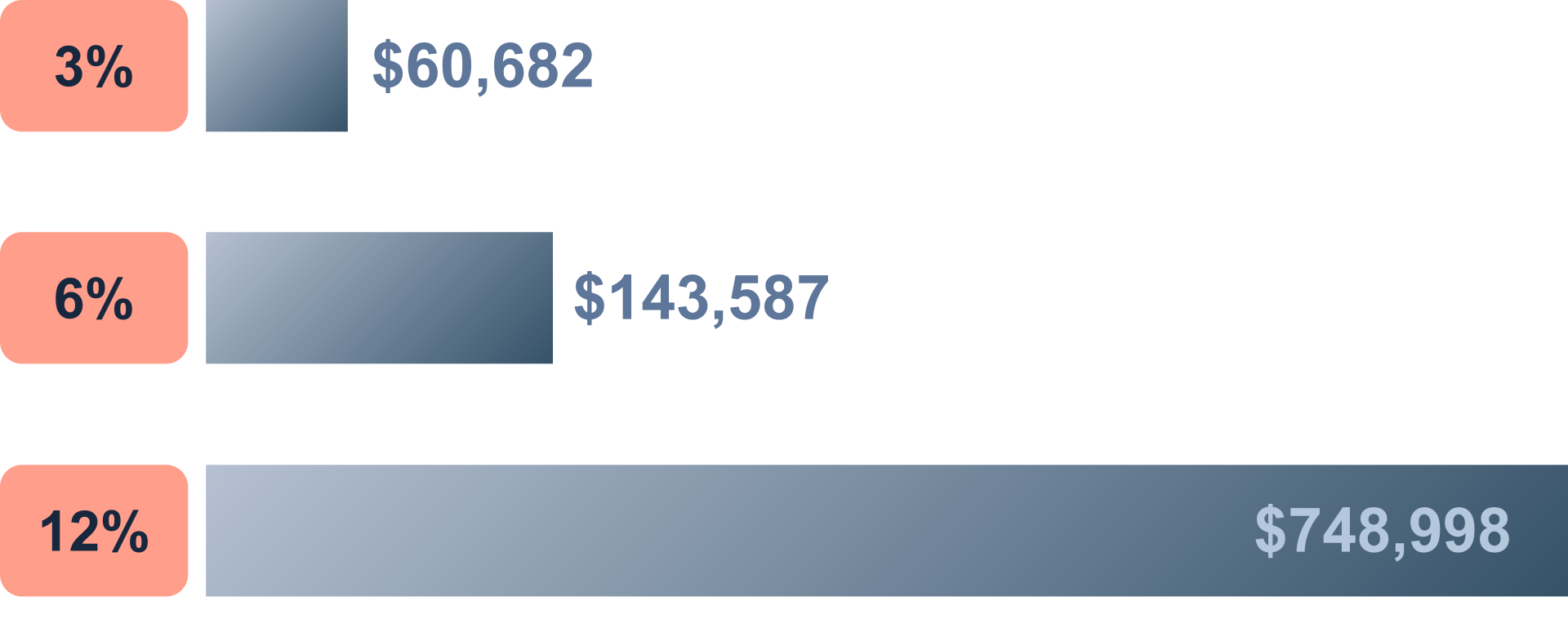
Compound Interest
Quote
“Compound interest is the most powerful force in the universe.” —Albert Einstein
Where to Get Compound Interest?
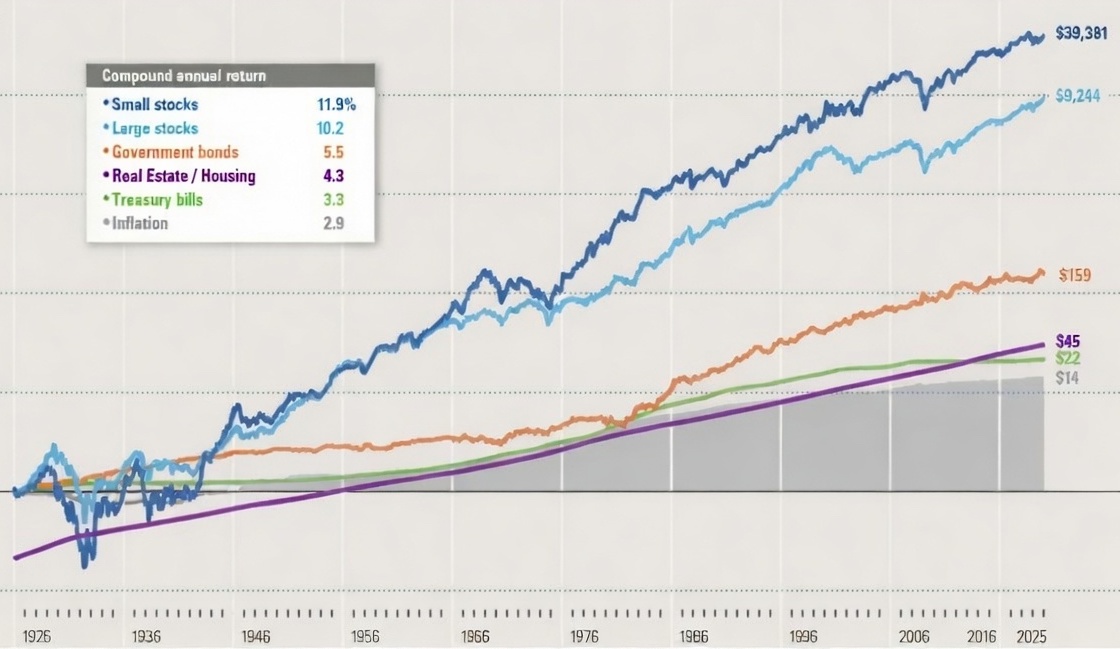
Ibbotson Chart. 1921 - 2025
Quote
"You need to defend purchasing power with equities, rather than defending principle with bonds (or other fixed accounts)." —Nick Murray
8 Facts of the Market
Eight Facts of the U.S. Equity Market From 1926 - 2025 Source3
-
1) Performance
- Inflation: 3.1%
- Residential Real Estate: 4.%
- Bonds: 6%
- Large U.S companies: 10%
- Small U.S companies: 12%
-
2) Annual Rolling Periods
- In the ninety-nine 12-month rolling-periods the market's return has been positive 94% of the time.
-
3) Twice a Year
- Declines of -5% occur about twice a year.
-
4) Every 18 Months
- Declines of -10% occur about once every 18 months.
-
5) Every Three Years
- Declines of -15% occur about once every three years.
-
6) Every Six Years
- Declines of -20% occur about once every six years ("Bear Market").
“Our plan continues to anticipate that at least 20% of our invested capital will appear to disappear temporarily about every six years or so.” ―Nick Murray
-
7) Bear Market Recovery
- 40 months (~1,200 days) is the average length of time it has taken for a Bear Market to breakeven.
“Since the end of World War II the longest it has ever taken an investor to recover an original investment in the stock market was the five-year, eight-month period from August 2000 through April 2006 (68 months).” —Jeremy Siegel, Stocks for the Long Run
-
8) After Bear It Comes Back Fast
- Returns in the first year after the five biggest market declines ranged from 36% to 137%, and averaged 70%.
Insights
-
Inflation (the loss of purchasing power) is countered by investing in equities.
-
Volatility is not risk because the market always comes back.
-
You can't outsmart or trick the market.
-
The market does what it does. If you know what's going to happen, it's not risky.
-
An Advisor can help you avoid the Big Mistake (selling when the market is down).
Mutual Funds
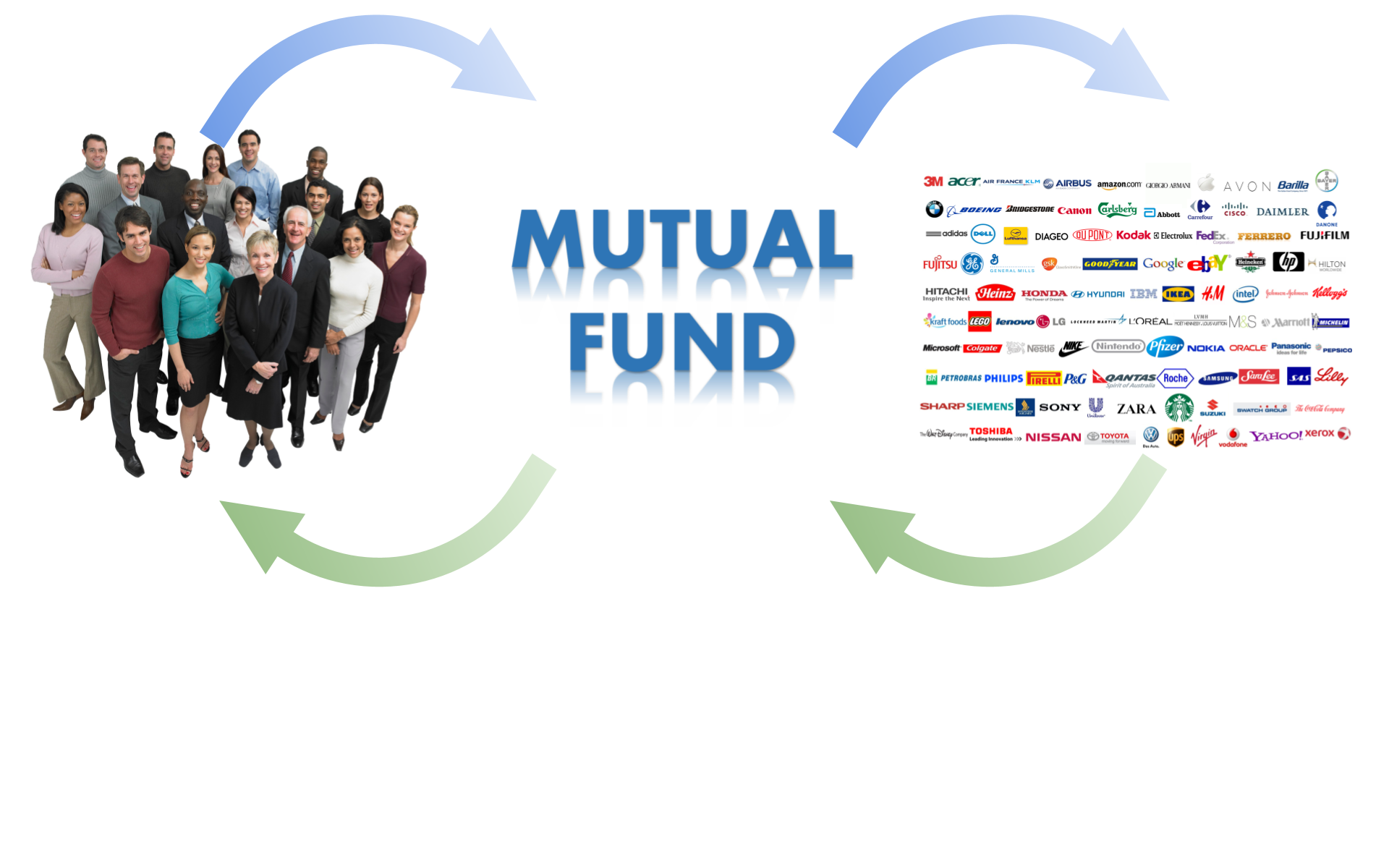
A mutual fund is a broadly diversified collection of the world's great publicly-traded, mainstream, profit-seeking companies.
Nick Murray
“It can be historically demonstrated that the best defense against retaining your purchasing power through retirement is to invest in a broadly diversified portfolio of the world’s great companies.
And the finest method of investing in them are good, long-term, mutual funds.”
The Investment Company of America (ICA)
The premiere long-term equity mutual fund by Capital Group's American Funds.

- Started in 1934.
- The expense ratio is 0.56%.
- Invests in 191 of the World’s Companies.
- It has paid a dividend every year since 1936.
- The average annual total return is 12.13% for 91 years!
- $1,000 invested in 1934 would have grown to $33,412,676 by 12/31/2025!
- Never had three consecutive “down” years!
- Never lost principle in any 10-year period! (The worst was 1999 - 2008: 1.0%)
Mutual Fund Wrapped in a Tax Shelter
The magic combination is to "wrap" the ICA (or any mutual fund) in a Roth IRA which makes the earnings and the withdrawals tax-free.
Example: ICA + Roth IRA
-
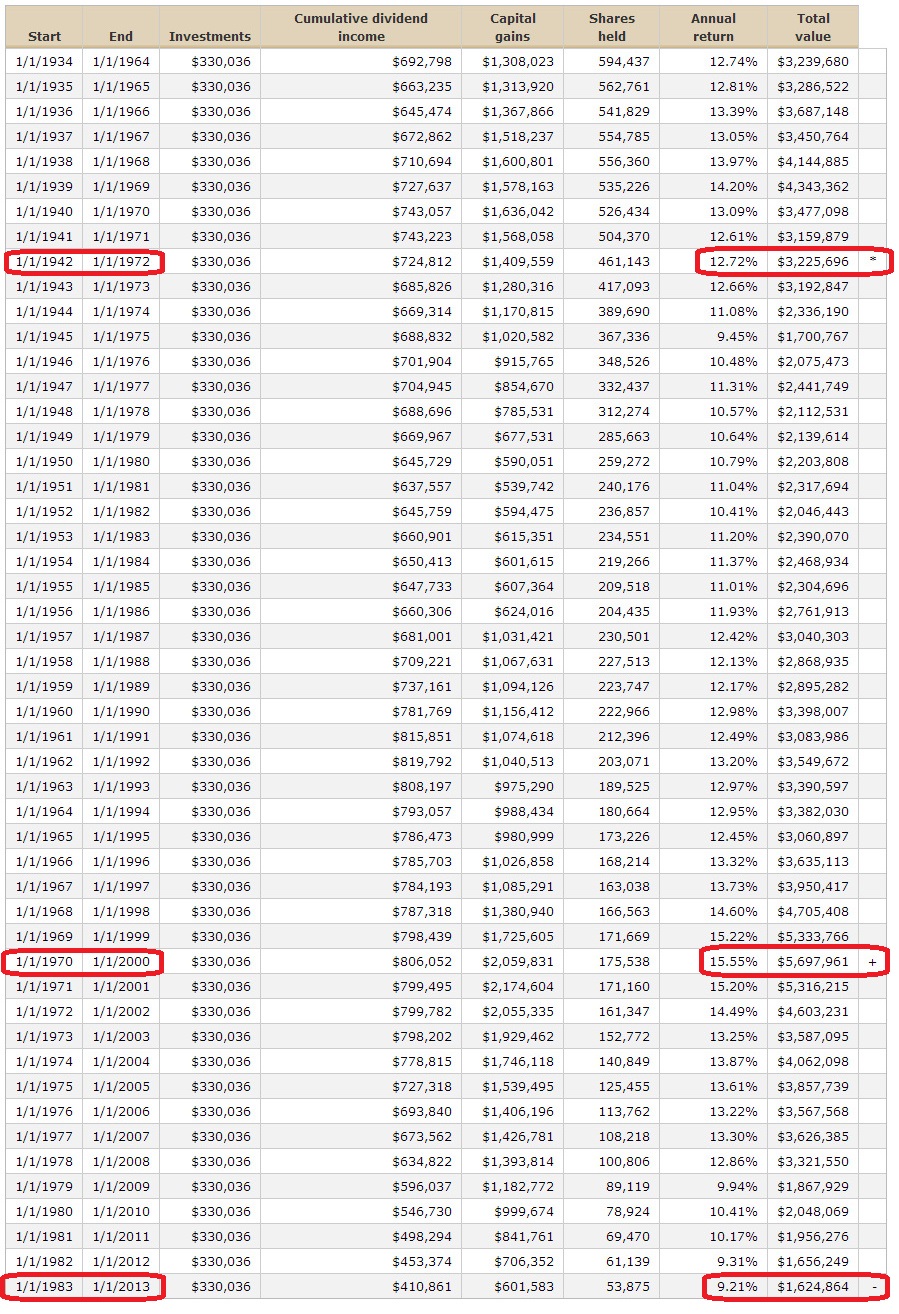
From age 35 to 65 (30 years), a husband and wife each invest $583 per month (\(14,000** annualy) into the American Funds Investment Company of America (ICA) mutual fund, registered as a **Roth IRA**. Total investment is **\)420,000.
-
This chart shows the real-life results of sixty-two 30-year rolling periods of the ICA 1934 to 2025 year-end.
| 30-Year Period | Result | Return | |
|---|---|---|---|
| Best | 1970 - 2000 | $7,219,637 | 15.47% |
| Worst | 1993 - 2023 | $1,798,619 | 8.46% |
| Median | $3,738,139 | 12.21% |
Note4
Risk #3: Volatility
The 3rd retirement risk is taking withdrawals while the market is declining (volatility).
Mutual Funds have one challenge: short-term they are unpredictable. If you encounter "red boxes" at the beginning of your retirement it could negatively affect your withdrawals.
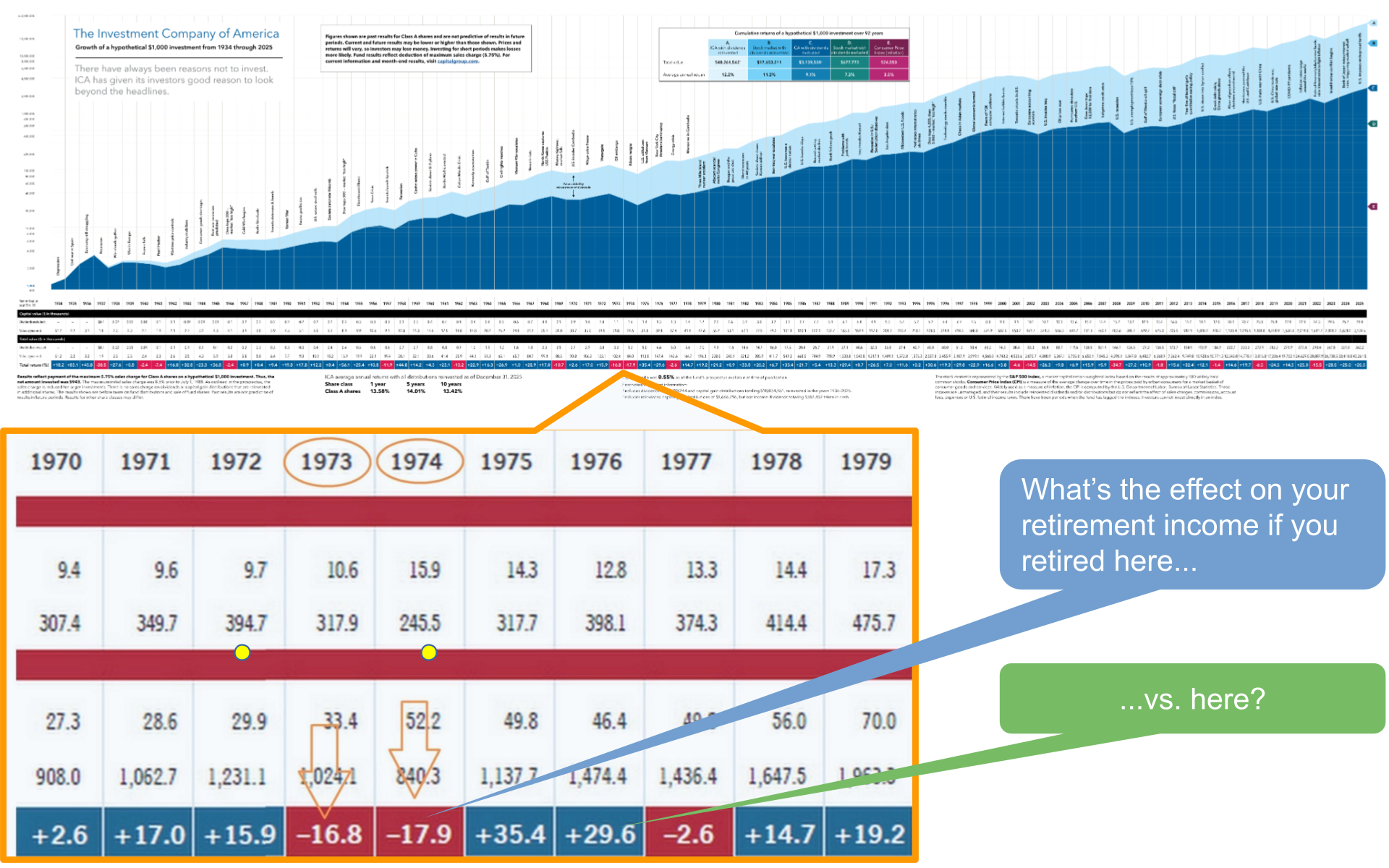
Eliminate Income Volatility When Taking Withdrawals
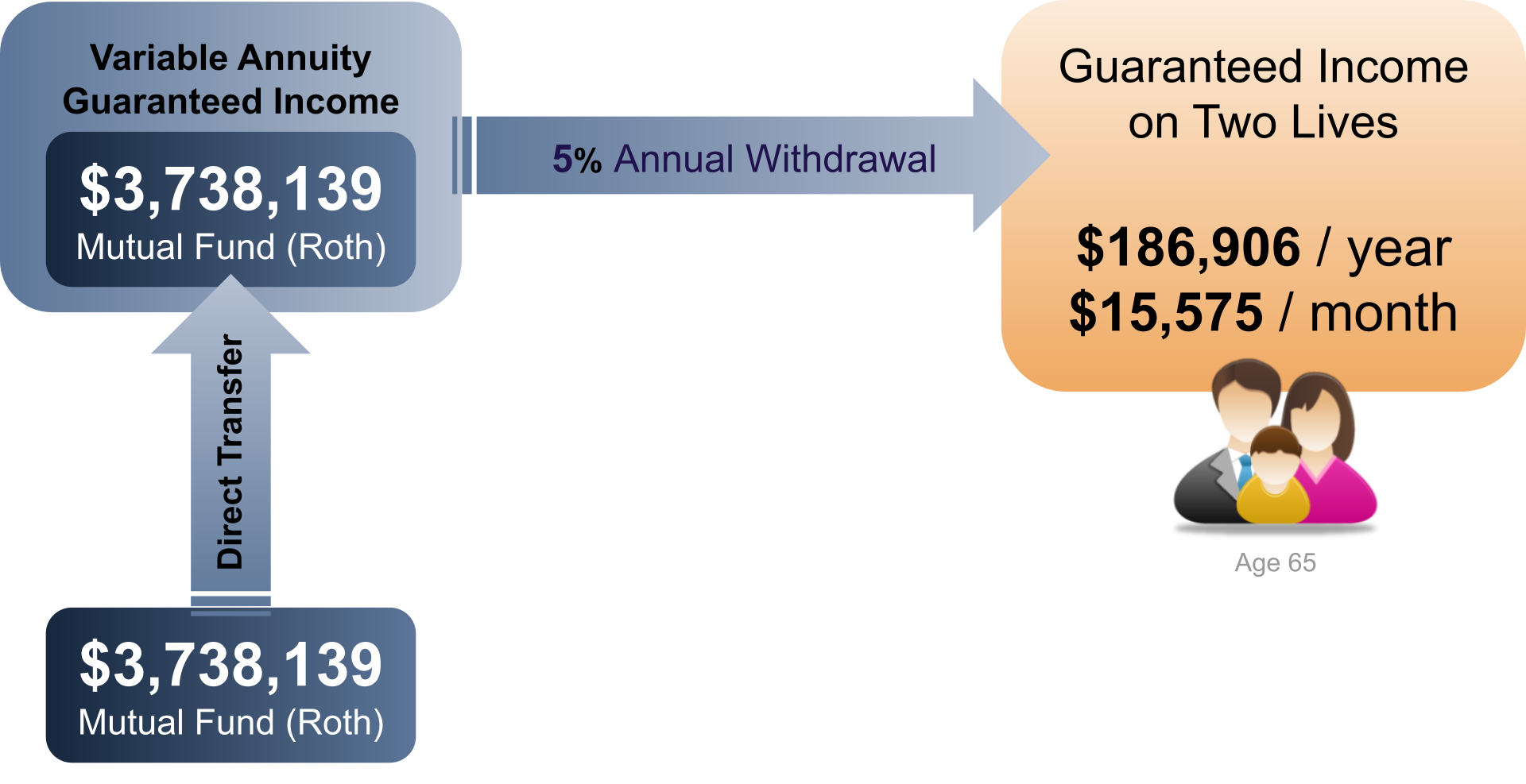
When you’re approximately 10-years (or closer) from retirement withdrawals start considering a variable annuity with a guaranteed income rider. This will provide a minimum 5% guaranteed withdrawal for the rest of your life, while staying 100% invested in the world's great companies (equity mutual funds). When mutual funds go up, your income increaes; when they go down your income stays the same. When you pass away, the income continues for your spouse. When he/she passes your children inherit the account balance.
Note5
Resources
- Read what American Funds says about variable annuities.
Barron's article: Annuities Are Coming in New Shapes and Sizes, July 28, 2025
...once you’re retired, by establishing a reliable lifetime income stream to supplement Social Security.
The major stock market dip in early April underscored a major benefit of annuities’ income guarantees: peace of mind. “We had to talk a lot of people out of pulling money out of the market,” says Howard Sharfman, at NFP Insurance Solutions. “But nobody who has guaranteed income called us to have that discussion.”
There are other benefits, too. “You can take more risk by holding more in stocks because you have the income in place with the annuity,” Elder says. “You don’t need to provision as much money for later in life because you know you have an income floor. So you can use the money earlier.”
Variable annuity is the best choice because it doesn’t cap upside and allows you to potentially build more assets.
Quotes
"48% of retirees say they worry about outliving their money. While 72% claim they feel financially prepared for retirement, only 30% say they are very prepared. Nearly half say they often worry about outliving their money."
―Research published by Age Wave, "Longevity and the New Journey of Retirement", 2022
"I know of only two ways of coping with equity volatility during retirement withdrawals:
-
Abiding faith in the historical record, in the greatness of free-market democratic capitalism.
-
The other method is what the variable annuity industry is pleased to call 'living benefits'.”
"Insurance companies promise that annuitants won't run out of income, ever! When there is a living benefit, an annuitant may run out of cash but not out of income.”
―Richard Hoe, ChFC, CLU, AEP], from the article "The Better IRA" in The Investment Edge magazine.
What John Huggard Says...

John Huggard, J.D., CFP, CLU, ChFC, is a sought after expert witness in securities cases and a nationally recognized speaker on the topic of variable annuities.
-
“Win-Win Situation:
-
If the market goes up - you're a winner.
-
If the market goes down - you're a winner.
-
No more disgruntled clients.
―Page 42 from his lecture notes, "Understanding the New Variable Annuity Living Benefit Riders" (January 8, 2007).
-
-
“Living Benefits are not new variable annuities, but riders available with existing variable annuities. Often, only a box on the application need be checked to obtain a specific living benefit. Living benefit riders provide long-term investors with:
- An opportunity to obtain stock market gains if the market goes up.
- An opportunity to obtain an upward ratcheting lifetime stream of income regardless of the stock market's future direction without annuitization.
- The ability to avoid the 'longevity problem' for both spouses.
- The ability to avoid the 'sequence of return' trap.
- The advantages of obtaining basic variable annuity benefits (commission-free investing, no transaction costs, death benefit, etc.).”
―Page 8 from his lecture notes, "Understanding the New Variable Annuity Living Benefit Riders" (January 8, 2007).
What Moshe Milesky Says...
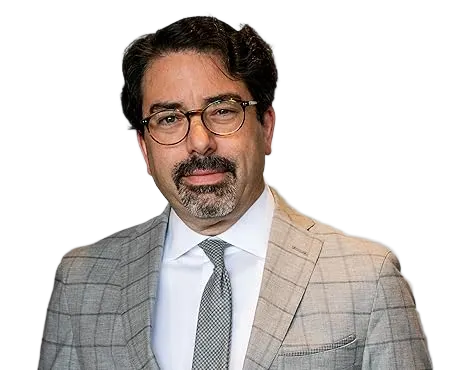
Moshe Arye Milesky is a tenured professor at York University with a Ph.D. in Finance, a Master of Arts in Mathematics and cum laude from Yeshiva University. Over the last 25 years he has published 15 books and 60 peer-reviewed scholarly articles on wealth and risk management.
-
“I purchased a variable annuity with a guaranteed living benefit and allocated 100% to stocks.” ―End Notes from the book In Defense of Annuities.
-
“... with a guaranteed and predictable lifetime of income that can't be outlived.” ―Section IV from the book In Defense of Annuities.
-
“A living benefit is paid to the annuitant for as long as they live and ceases upon death.” ― Section V from the book In Defense of Annuities.
-
“It protects against the risk of living beyond, even far beyond, life expectancy - without surrendering either upside potential of liquidity of the underlying portfolio.” ―Section V from the book In Defense of Annuities.
-
“The income is guaranteed to never decline for the remaining life of the annuitant. If the underlying investment portfolio ever reaches zero, the guaranteed income will continue so long as the annuitant or, for a joint product, one member of the couple is still alive. Whatever remains in the account at the time of death goes to the heirs.” ―Section V from the book In Defense of Annuities.
-
“... to provide an assortment of lifetime income guarantees meant to protect the policyholder against longevity risk as well as what the industry has coined as ‘sequence-of-returns risk’, which refers to the chance that a retirement portfolio, from which cash is being withdrawn, suffers early losses, magnified by the retiree living longer than average. All you need is a bear market at the wrong time, and the sustainability of your income can be cut dramatically.” ―Section V from the book In Defense of Annuities.
-
“By promising a lifetime of retirement income, insurance companies are taking on the above-noted longevity risk.” ―Section V from the book In Defense of Annuities.
-
“Invest aggressively, diversify, exposure to equities, and wrap some protection around it. Optimize your variable annuity by having an aggressive allocation and protecting it with a lifetime income.” ―From his Annuities for a Biological Age webinar (2020).
-
“Fees and periodic withdrawals are deducted from the VA account as long as there are funds available. But if those periodic withdrawals every fully deplete this account, the insurance component is triggered to fulfill the remaining withdrawals for the lifetime of the investor.” ―Section V from the book In Defense of Annuities.
Risk #4: Investor Emotions
The 4th retirement risk is avoiding making bad decision based upon negative investor emotions.
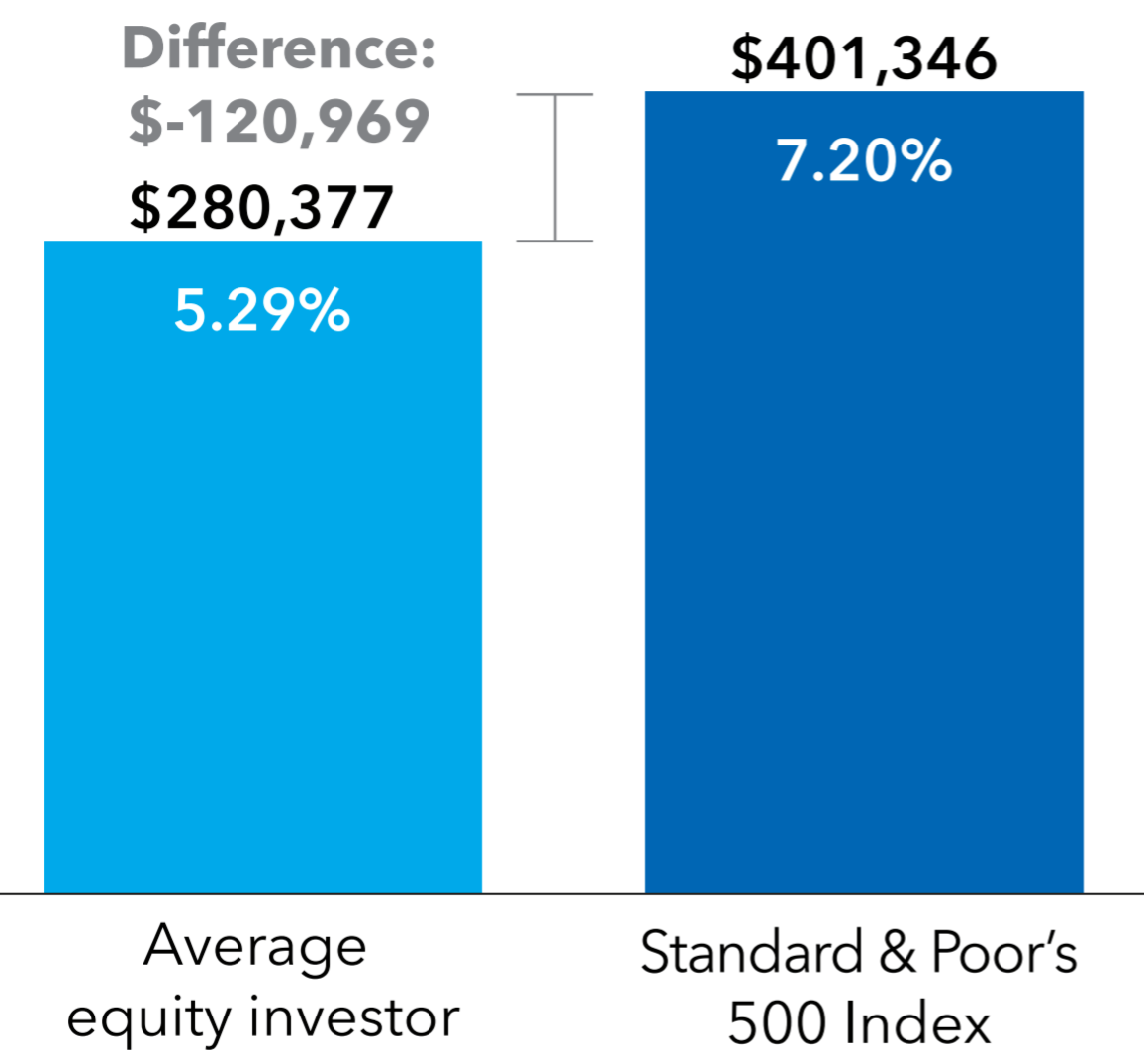
DALBAR Investment Study 2018
This chart shows the difference between the growth of a $100,000 in the S&P 500 from 12/31/1997 to 12/31/2017, and the average investor who is investing in the same investment.
How can the two be different?
To put it another way: How can the driver of the car move at a slower rate than the car he is in?
- Aanswer: the driver doesn't stay-put in the car.
Quotes
-
"At the end of an investor's life, less than 5% of his total lifetime return will come from what his investments did versus other, similar investments. The other 95% will come from how the investor behaved. And the primary determinant of that behavior will be the quality of the advice he got, or didn't get." -Nick Murray
-
"Investing is like a bar of soap… The more you touch it, the smaller it gets." -Darcy Howe, VP with Merrill Lynch
-
"Fidelity has done a study as to which accounts had done the best at Fidelity. They were the people who forgot they had an account!" -James O'Shaughnessy, Principal, Chairman and Co-Chief Investment Officer of O'Shaughnessy Asset Management
-
"I know exactly what will happen in the market in the next 10 - 20 years; it will go up. But I have no idea what will happen Monday morning." -Peter Lynch, American investor, mutual fund manager, and philanthropist
The Story of How Warren Buffet Didn't Lose $300 Million
On October 19, 1987, "Black Monday", the S&P 500 Index dropped 23%. Warren Buffet's holdings in Berkshire Hathaway plunged more than $300 million dollars.
Had he been unnerved and sold, he would have "lost" $300 million.
However, he didn’t sell and the value of his shares by February 2001 (14 years later) were worth over 22 times more than they were on Black Monday ($6.6 billion).
This Time It’s Different (not!)
Negative Headlines In The News Regarding the Market
Expand each headline...
Wall Street: The Rise in Red Ink.
- April 16, 1973
The Economy: Blood, Sweat and Tears.
- August 12, 1974
The Death of Equities.
- August 13,1979
Staring into the Abyss…crash is a shocking warning that the economy is living on borrowed time.
- November 2, 1987
…the flight of individual investors and the breakdown of the markets foreshadow the end of the capitalistic system as we have known it.
- September 14, 1974
My Offer & Next Steps
My Offer
When you think of your retirement, does it seem more probable that you will outlive your money or that your money will outlive you?
Here's what I offer: a no-cost, no-obligation second opinion to help you figure that out.
If you're open to it, I'd like to have relaxed and easy-going conversation with you about your retirement plan. If I think your investments continue to be well-suited, I'll gladly tell you so, and be on my way.
If, on the other hand, I think some of your strategies no longer align with your Golden Years, I'll explain why in plain English and recommend some alternatives.
Next Steps
- Have a Candid Conversation With Me
- Create a Simple Financial Plan
- Implement the Strategies You Choose
Tips from Longevity and the New Journey of Retirement by Age Wave, 2022
- Start savings early
- Reduce debt
- Maximize contributions
- Work with a financial advisor
-
Michael Thomas is a registered representative with Innovation Partners, LLC. Securities are offered through Innovation Partners, LLC (member FINRA/SIPC). Michael Thomas is an Investment Advisory Representative with IP Financial Advisory Services, LLC. Advisory services are offered through IP Financial Advisory Services, LLC (an SEC registered Financial Advisor). Innovation Partners LLC, IP Financial Advisory Services LLC, and (other business) are unaffiliated entities. Investors should carefully consider the investment objectives, risks, and expenses of any investment company. This and other important information is contained in the prospectuses, which can be obtained from your financial professional and should be read carefully before investing. Investments are not FDIC-insured, nor are they deposits of or guaranteed by a bank or any other entity,and may lose value. ↩
-
Capital Group's article (February 13, 2025), Should investors be nervous about the stock market?. ↩
-
This table is for illustrative purposes only. Figures shown are past results and are not predictive of results in future periods. Results shown are at the 5.75% maximum sales charge for Class A shares. Current and future results may be lower or higher than those shown. Share prices and returns will vary, so investors may lose money. Investing for short periods makes losses more likely. Investments are not FDIC-insured, nor are they deposits of or guaranteed by a bank or any other entity, so they may lose value. Please refer to a tax consultant regarding the details of Roth IRAs. ↩
-
This diagram is for illustrative purposes only. The hypothetical example does not reflect a specific investments. Does not project or guarantee future results. Contractual obligations are backed by the claims-paying ability of Insurer. Products and features are subject to state availability. Limitations and exclusions may apply. Variable products are sold by prospectus. Consider the investment objectives, risks, charges, and expenses of the variable product and its underlying investment options carefully before investing. The prospectus contains this and other information about the variable product and its underlying investment options. You may request a prospectus from your registered representative. Read it carefully before investing. Living benefits can provide consistent income. Variable annuities are long-term investment products designed for retirement purposes and are subject to market fluctuation, investment risk, and possible loss of principal. Variable annuities contain both investment and insurance components and have fees and charges, including mortality and expense, and administrative fees. Optional features are available for additional charges. The annuity’s value fluctuates with the market value of the underlying investment options, and all assets accumulate tax-deferred. Withdrawals of earnings are taxable as ordinary income and, if taken prior to age 59½, may be subject to an additional 10% federal tax. Withdrawals will reduce the death benefit and cash surrender value. ↩